Updated for 2026 — this article reflects the current labour and TFWP landscape.
Canada’s meat processing industry continues to face a critical labor shortage, particularly in slaughterhouses and processing plants. With demand for meat products increasing both domestically and internationally, labor gaps in these essential facilities are straining the industry’s ability to maintain production levels. The Temporary Foreign Worker Program (TFWP Canada) has historically played a key role in addressing these shortages, but recent policy changes and workforce challenges are making it harder for businesses to secure the workers they need.
The Growing Labor Shortage in Canada’s Meat Processing Industry
The Canadian Agricultural Human Resource Council had projected that Canada’s overall agricultural labor shortage would rise to nearly 120,000 workers by 2025, a number that includes meat processing facilities. The situation is particularly severe in slaughterhouses, where labour-intensive work requires a steady and skilled workforce.
Why Is There a Labor Shortage in Canada?
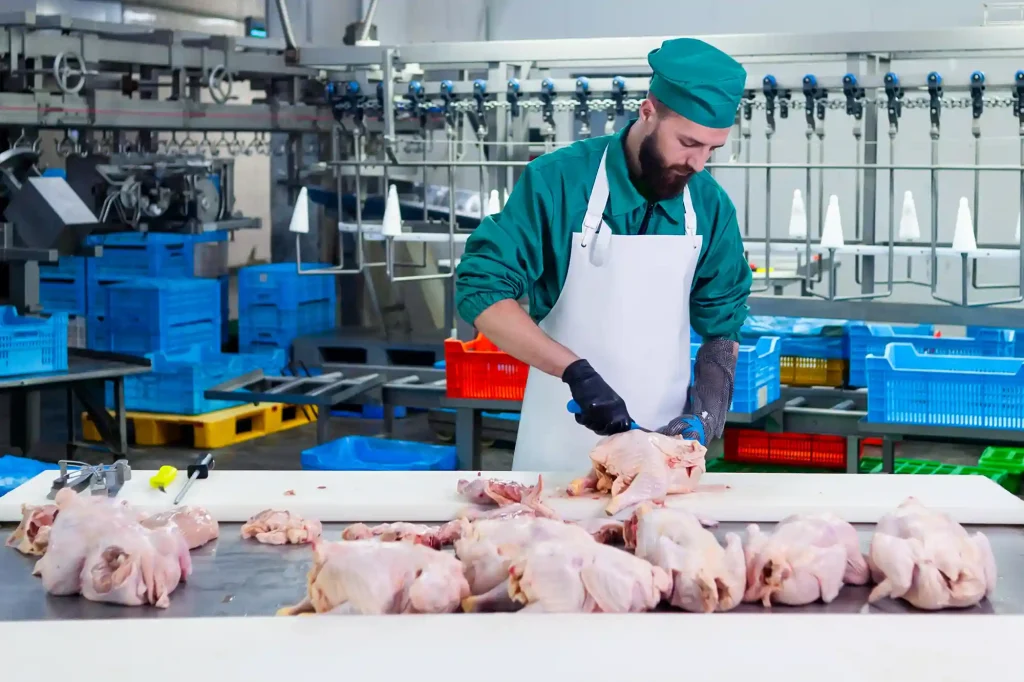
- Reduced Domestic Workforce Interest – Many Canadians are unwilling to take on jobs in meat processing due to the physically demanding work, lower wages, and difficult working conditions.
- Aging Workforce – Many experienced workers are retiring, and there are not enough younger workers entering the industry.
- Policy Changes to the TFWP Canada – Federal reforms have tightened eligibility for the low-wage stream in recent years, limiting the share of temporary foreign workers employers can hire at a given location, which further limits the industry’s ability to recruit foreign workers.
- Rising Global Competition for Labor – Other countries are also experiencing labor shortages in agriculture and food processing, making it harder for Canada to attract and retain foreign workers.
The Role of TFWP Canada in Meat Processing
For years, the Temporary Foreign Worker Program (TFWP Canada) has been a crucial source of labor for Canadian slaughterhouses and meat processing plants. Employers rely on skilled foreign workers to meet workforce demands, ensuring that production levels remain steady. However, recent policy shifts have created additional hurdles, such as:
- Lower caps on TFW participation – Making it harder for businesses to hire the workers they need.
- Longer processing times for LMIA applications – Causing delays in recruitment and leading to further labor shortages.
- Stricter compliance regulations – Increasing the administrative burden for employers.
While the TFWP Canada has received criticism, including concerns about worker conditions and employer oversight, the industry argues that reducing access to temporary foreign workers will only worsen labor shortages and threaten food security.
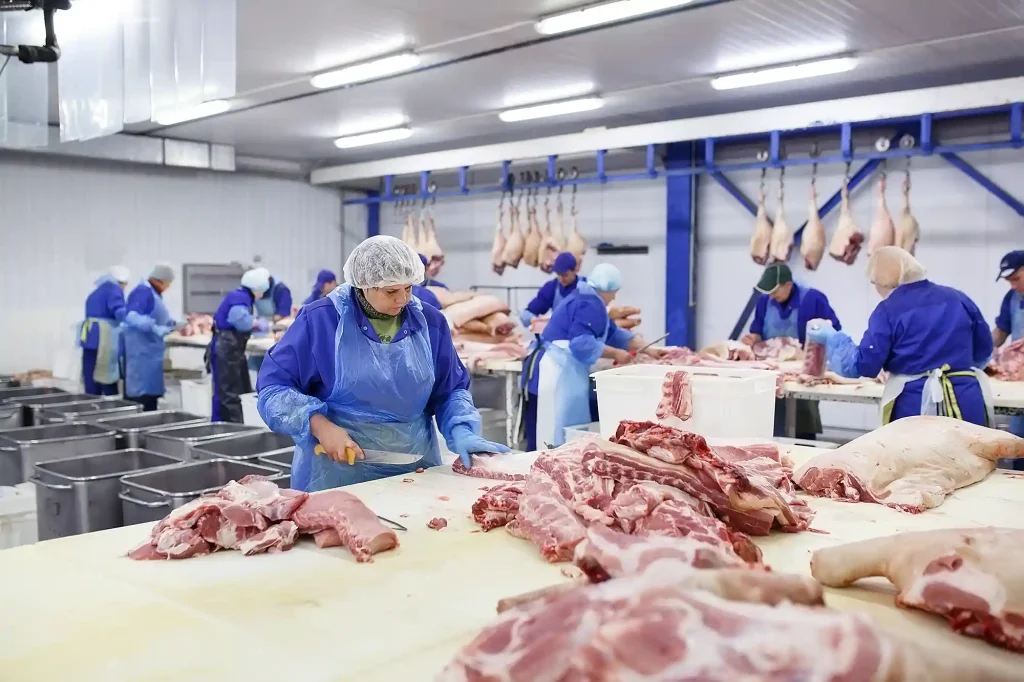
Staff your processing plant with reliable workers
Discover our solutionsWhat This Means for Canada’s Meat Industry
With fewer workers available, meat processing plants are being forced to:
– Reduce production capacity, leading to potential supply shortages and higher consumer prices.
– Increase automation, which is costly and not always a viable solution.
– Rely more on imports, increasing reliance on international suppliers and impacting local meat producers.
Without a clear workforce strategy, these shortages could lead to higher food prices, economic losses, and disruptions to Canada’s food supply chain.
How Workvantage Can Help Solve These Labor Shortages in Canada
At Workvantage, we specialize in recruiting and placing skilled and non-specialized workers in industries facing labor shortages in Canada, including meat processing and slaughterhouses. As a trusted recruitment partner, we:
– Optimize the LMIA process – Assisting employers in navigating the TFWP Canada requirements efficiently to improve their chances of approval while reducing the administrative burden.
– Source experienced workers globally – Bringing in motivated, hardworking individuals who can handle the demands of meat processing.
– Ensure compliance with regulations – Helping businesses meet government requirements while maintaining ethical hiring practices.
– Reduce turnover and boost productivity – By matching businesses with workers who are committed to long-term employment.

Non-Specialized LMIA-Eligible Jobs in Meat Processing that Workvantage Can Help Fill:
- Meat Cutters & Slaughterhouse Workers
- General Laborers & Packers
- Processing Plant Workers
- Machine Operators & Equipment Technicians
- Quality Control Assistants
With Workvantage, meat processing businesses can overcome workforce shortages and secure the skilled labor they need to thrive.